
Loading...
View
Page name

Representation for allegations involving repeated contact, threatening conduct, intimidation, stalking, or fear for personal safety.

Possession of a
Prohibited Weapon

A prohibited weapon case can begin with an item whose legal classification is far less obvious than its appearance suggests. Compass Law represents clients facing prohibited weapon allegations in Mississauga and across the GTA. The defence may need to examine the object's dimensions, mechanism, design, modification, intended function, expert or forensic classification, how it was acquired, who controlled it, and whether a border interception, online order, vehicle search, or residential search was lawfully conducted.

Prohibited Weapon Defence
Weapons & Firearms Offences

Before asking who possessed the object, determine whether the law actually prohibits that object

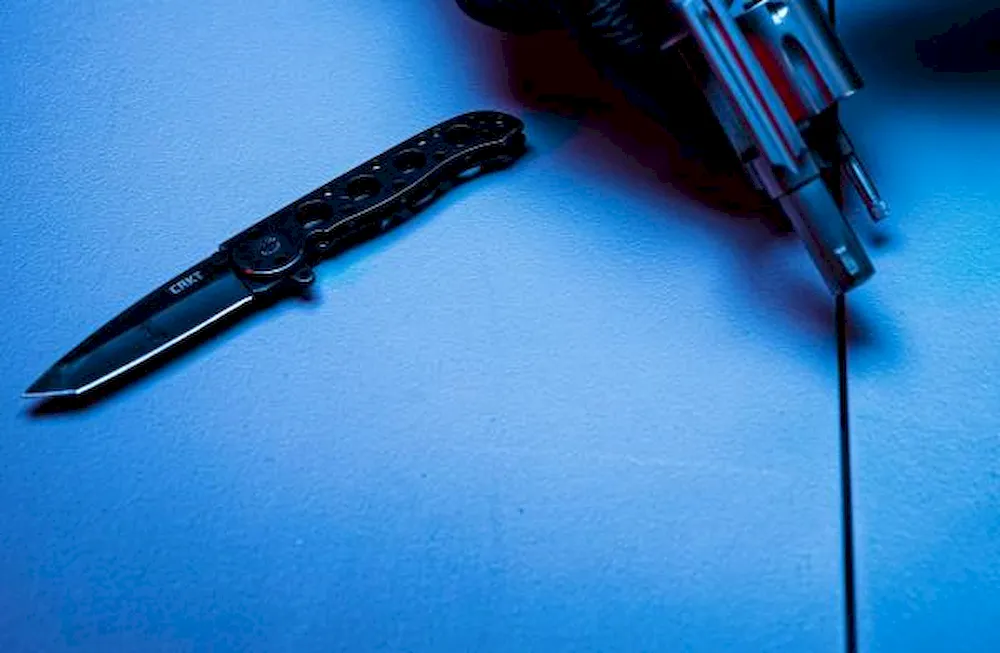
Canadian weapons law uses detailed statutory and regulatory definitions. Small differences in blade mechanism, dimensions, design, firearm component, ammunition type, or device function can affect legal classification.

Where an object arrived through the mail or a courier, shipping records may identify an address without proving who ordered it or knew what was inside. Payment records, online accounts, delivery instructions, and communications may become relevant.
If the item was found in a shared location, classification solves only half the case. Knowledge and control must still connect the prohibited object to the individual accused.

Specialized evidence may be required where police classification is disputed. Photographs alone may be insufficient if the legal definition depends on measurements, mechanics, modifications, or how the device actually operates.
THE DEFENCE

Classification comes before criminal possession.

01
Compare the physical item directly against the legal definition of the prohibited weapon or device.
02
Verify measurements, mechanisms, modifications, and technical characteristics rather than relying on appearance.
03
Trace online orders, shipping, payment, delivery, and account evidence where the item arrived remotely.
04
Establish knowledge and control independently from the question of whether the object is prohibited.
Reviews

What Clients Say About
Compass Law

01 / 05

“From the first conversation, Manmeet explained the process clearly and made sure I understood what was happening with my case. Communication was consistent, my questions were answered directly, and I always knew what the next step would be.”

Arjun S.
Compass Law Client
Mississauga, Ontario
★★★★★

“Dealing with a criminal matter was stressful, but Compass Law made the legal process much easier to understand. The advice was practical, straightforward, and never rushed. I appreciated being kept informed throughout the entire matter.”

Priya K.
Compass Law Client
Brampton, Ontario
★★★★★

“Manmeet was professional, responsive, and very clear about my options. He took the time to go through the important details of the case and explain what they meant. I felt prepared for each stage instead of being left guessing.”

Daniel R.
Compass Law Client
Toronto, Ontario
★★★★★

“What stood out most was how easy it was to communicate and get clear answers. Manmeet listened carefully, explained the situation in plain language, and gave me a realistic understanding of what to expect as the case moved forward.”

Navdeep S.
Compass Law Client
Mississauga, Ontario
★★★★★

“Compass Law handled my matter with professionalism from beginning to end. The communication was timely, the advice was easy to understand, and I felt that the important details of my case were being taken seriously throughout the process.”

Michael T.
Compass Law Client
Oakville, Ontario
★★★★★

Common Questions About Prohibited Weapons

Canadian law defines specified weapons and devices as prohibited, often by reference to their design, function, mechanism, dimensions, or other characteristics.

Potentially. Online purchases and intercepted shipments can trigger investigations, but the prosecution still needs evidence connecting the accused to the item and required knowledge or possession.

Yes. Where classification depends on technical characteristics, measurements, operation, or modification, those facts may require careful examination.

Ownership is relevant but not conclusive. The prosecution must establish the required possession by the person charged.

Discover more
Client Protection
Compass Law works diligently to protect clients facing criminal charges and investigations. We provide clear guidance, careful preparation, and focused advocacy at every stage—so you understand your options and what comes next.