
Representation for allegations involving repeated contact, threatening conduct, intimidation, stalking, or fear for personal safety.
Being close to a substance is not necessarily the same as possessing it
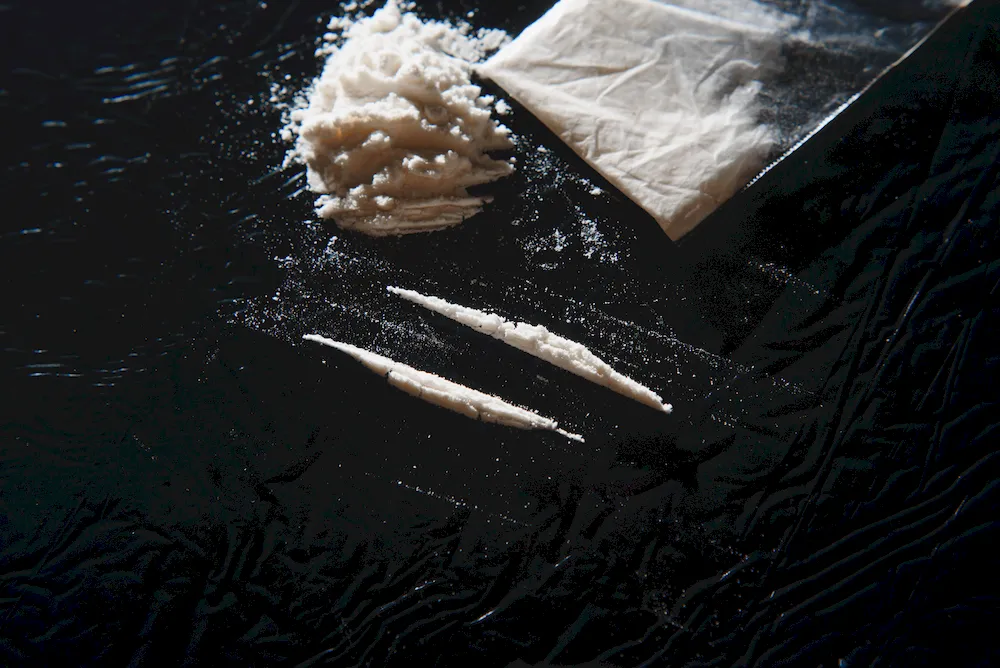
Police may use messages, admissions, fingerprints, DNA, ownership documents, keys, personal belongings, or behaviour during the search to connect an accused to the substance. Each piece carries different evidentiary weight.
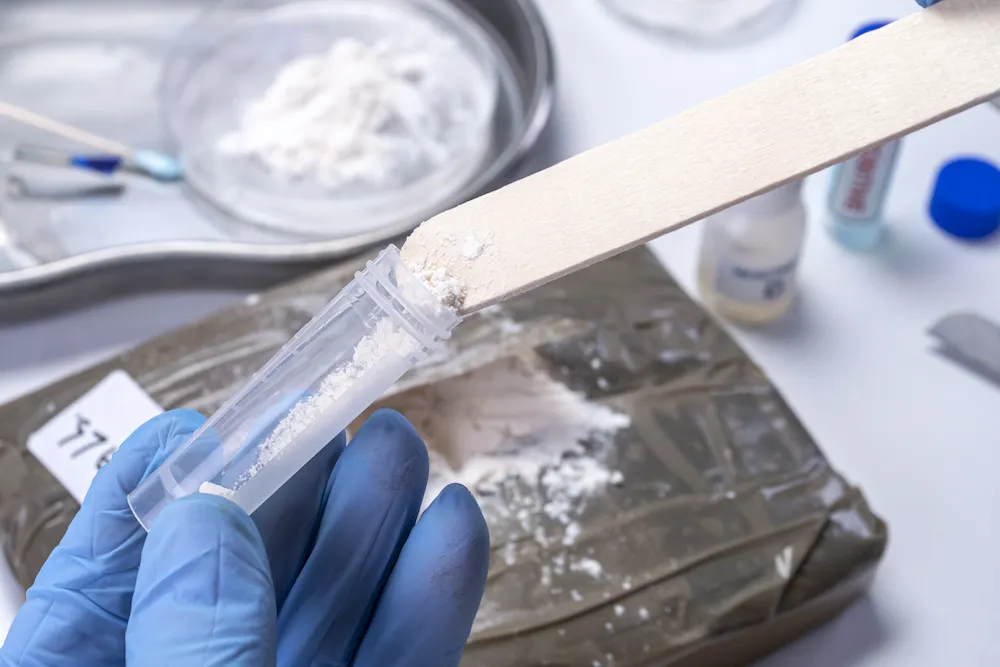
The substance also needs to be reliably identified. Laboratory analysis, exhibit labels, continuity records, packaging, and transfer between officers or facilities may become relevant where the identity or integrity of the exhibit is questioned.
Possession requires a real connection between the person and the substance.
What Clients Say About
Compass Law
“From the first conversation, Manmeet explained the process clearly and made sure I understood what was happening with my case. Communication was consistent, my questions were answered directly, and I always knew what the next step would be.”
“Dealing with a criminal matter was stressful, but Compass Law made the legal process much easier to understand. The advice was practical, straightforward, and never rushed. I appreciated being kept informed throughout the entire matter.”
“Manmeet was professional, responsive, and very clear about my options. He took the time to go through the important details of the case and explain what they meant. I felt prepared for each stage instead of being left guessing.”
“What stood out most was how easy it was to communicate and get clear answers. Manmeet listened carefully, explained the situation in plain language, and gave me a realistic understanding of what to expect as the case moved forward.”
“Compass Law handled my matter with professionalism from beginning to end. The communication was timely, the advice was easy to understand, and I felt that the important details of my case were being taken seriously throughout the process.”
Common Questions About Drug Possession Charges
Yes. Possession may be alleged in other circumstances where police say a person knew about and controlled a substance.
No. Presence alone does not necessarily establish possession. Location, ownership, access, statements, conduct, and other evidence may matter.
Potentially. A Charter breach can lead to an application for an appropriate remedy and, in some circumstances, exclusion of evidence.
Reliable evidence is generally needed to identify the substance alleged, and laboratory analysis can form an important part of that proof.