
Representation for allegations involving repeated contact, threatening conduct, intimidation, stalking, or fear for personal safety.
Firearm Possession
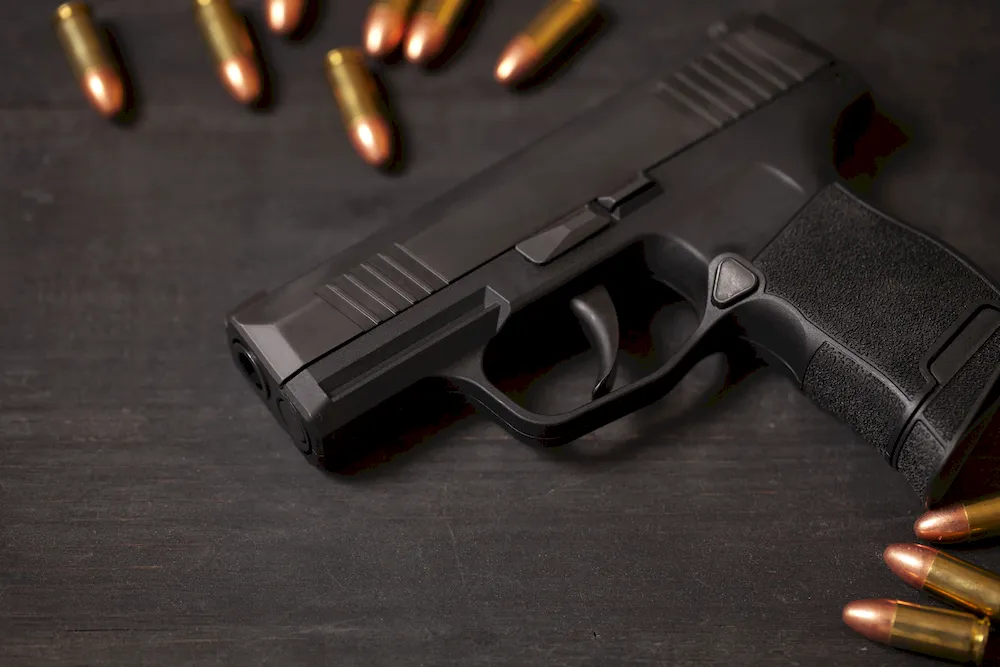
A firearm found nearby is not automatically a firearm legally possessed by every person present
Classification changes the legal framework. Non-restricted, restricted, and prohibited firearms can attract different licensing, registration, transportation, and possession requirements depending on the specific item and circumstances.
Search authority is frequently decisive. Vehicle stops, warrants, searches incident to arrest, consent searches, and other investigative powers each have legal limits that may determine whether the firearm evidence is admissible.
Possession must be proven person by person, firearm by firearm.
What Clients Say About
Compass Law
“From the first conversation, Manmeet explained the process clearly and made sure I understood what was happening with my case. Communication was consistent, my questions were answered directly, and I always knew what the next step would be.”
“Dealing with a criminal matter was stressful, but Compass Law made the legal process much easier to understand. The advice was practical, straightforward, and never rushed. I appreciated being kept informed throughout the entire matter.”
“Manmeet was professional, responsive, and very clear about my options. He took the time to go through the important details of the case and explain what they meant. I felt prepared for each stage instead of being left guessing.”
“What stood out most was how easy it was to communicate and get clear answers. Manmeet listened carefully, explained the situation in plain language, and gave me a realistic understanding of what to expect as the case moved forward.”
“Compass Law handled my matter with professionalism from beginning to end. The communication was timely, the advice was easy to understand, and I felt that the important details of my case were being taken seriously throughout the process.”
Common Questions About Firearm Possession Charges
Potentially, but the prosecution still needs evidence establishing the required possession rather than relying solely on presence in the same residence.
No. Numerous firearm offences concern possession, licensing, location, storage, transportation, or compliance with orders and do not require the firearm to be fired.
No. DNA can be important evidence, but its location, quality, possible transfer, timing, and relationship to the other evidence affect its significance.
Yes. The firearm's classification can determine which licensing, registration, transportation, and possession requirements apply.